
By Tyson Thorne
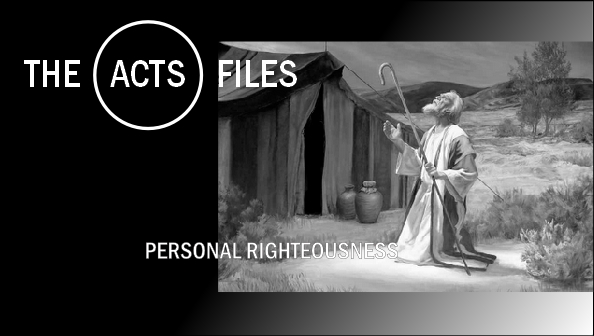
Yesterday we broke from our study of Acts to explain the importance of one of seven feasts God instituted for the nation of Israel, Shavuot, The Feast of Weeks, also called Pentecost. We’ll get back to Acts next week, for this is a good time to discuss the topic of personal righteousness.
Last week we learned from the events surrounding an offering made to the church by Ananias and Sapphira that God is still very much concerned about our sin. While Jesus paid the price for all our sins, God’s will for his people is that they become holy and blameless – that is, without sin. While we will not be finished with sin in our lives until we are face-to-face with God, we can increasingly overcome its influence and practice in our lives. This process is often called “sanctification” but I prefer the term “personal righteousness”.
Some may recoil at such an idea, equating with “self-righteousness”, but personal righteousness is a very biblical teaching. While self-righteousness is usually associated with smug moralism and intolerance of other’s behavior and opinions, personal righteousness is humble and private. Those who are self-righteous crave the approval of others and seek to elevate themselves in position of authority or at least in respect of their friends and community. Those who are concerned with personal righteousness pray frequently, by themselves, recanting their sins and seeking God’s guidance and wisdom to avoid practices that grate against God’s sensibilities.
For a wonderful example of personal righteousness we look to Job. Job lived in the time of the patriarchs (Abraham, Isaac and Jacob of Old Testament fame) who is described as “pure and upright, one who feared God and turned away from evil.” One should be so lucky to have such an epitaph on their gravestone. So we know from this one verse about his character, but what was his practice? He was very serious about sin. His children would often have gatherings, parties really, and at the conclusion of these events he would send for his children and “sanctify them.” How did he sanctify them? “He would get up early in the morning and offer burnt offerings” for each of them, for he thought “Perhaps my children have sinned and cursed God in their hearts.” And this wasn’t a one-time event, we’re told it was Job’s “customary practice”. If he acted so diligently regarding the possible sins of his children, how much more do you think he acted on his own behalf?
For us the days of sacrifice are over thanks to Jesus. Today forgiveness is ours for the asking. I wonder, though, how often do we ask for forgiveness? I very much doubt that most believers do so even once a day. We are careful to ask for forgiveness when we sin greatly, but God is equally concerned with the little sins we commit daily. So why aren’t we? If you are not in the habit of praying every day it’s time to start. And one of the things you can pray for is forgiveness of your sins.
Remember, when Jesus taught the disciples to pray he taught them these words: “Father, may your name be honored, may your kingdom come. Give us each day our daily bread, and forgive us our sins, for we also forgive everyone who sins against us. And do not lead us into temptation.” (Luke 11.2-.4)
|
|
|
